The Heart of English Football: Exploring the Nation's Most Intense Local Rivalries
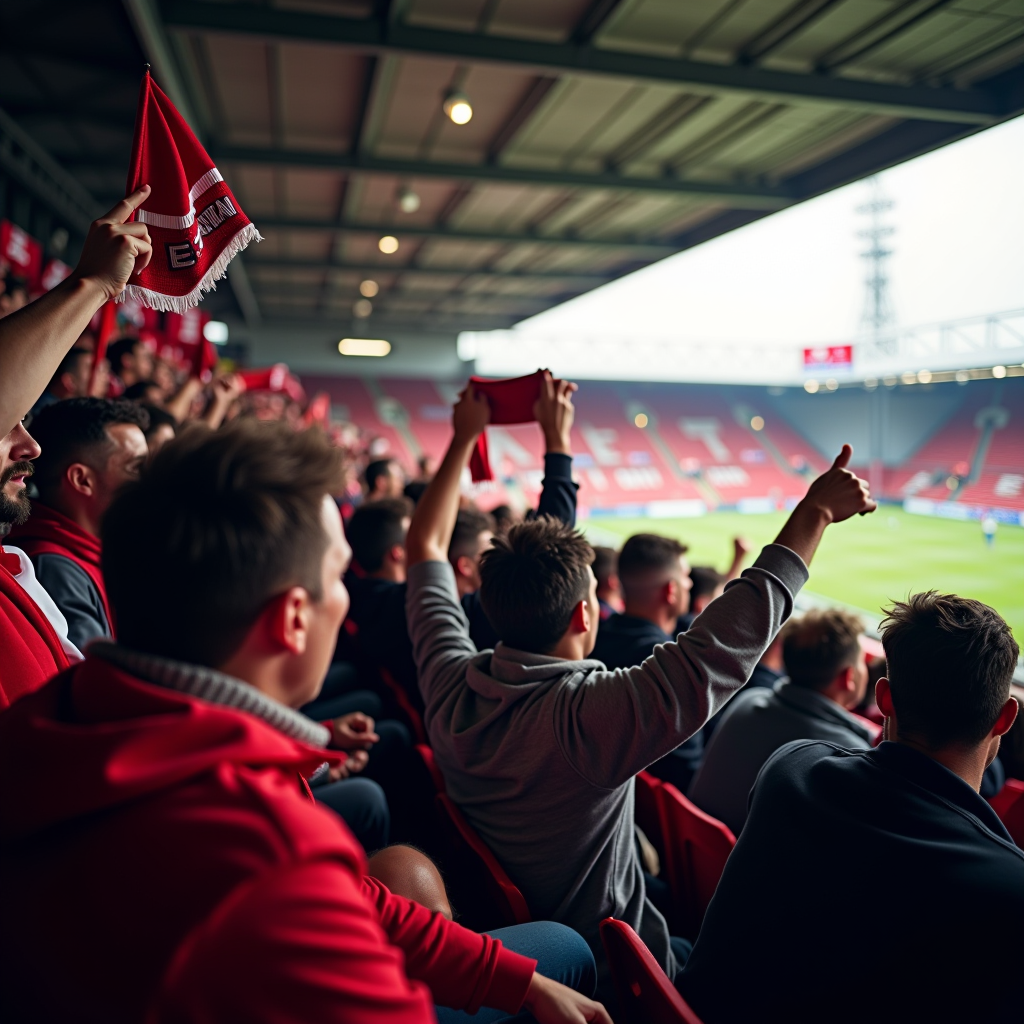
English football is renowned worldwide for its passion, history, and competitive spirit. Yet beyond the glittering trophies and international acclaim lies something even more profound: the local rivalries that have defined communities, shaped identities, and created some of the most memorable moments in football history. These fixtures transcend the ninety minutes on the pitch, representing decades—sometimes centuries—of cultural, geographical, and social significance.
From the red half of Merseyside to the blue, from North London to South, these derbies are more than just matches. They are events that bring entire cities to a standstill, where bragging rights matter as much as league positions, and where legends are forged in the crucible of local pride. The intensity of these encounters has produced unforgettable drama, iconic goals, and moments that resonate through generations of supporters.
As we explore the rich tapestry of English football's most intense local rivalries, we delve into the stories, the players, and the communities that make these fixtures special. These are the matches that define seasons, create heroes and villains, and remind us why football remains the beautiful game.
The Merseyside Derby: A City Divided by Passion
The Merseyside Derby between Liverpool and Everton stands as one of the most unique rivalries in English football. Unlike many fierce derbies characterized by animosity, the Merseyside clash has traditionally been known as the "friendly derby," where families are often split between red and blue, and supporters share the same streets, workplaces, and even households.
This rivalry dates back to 1892 when Liverpool Football Club was formed following a dispute at Everton. The proximity of Anfield and Goodison Park—separated by less than a mile—means that the atmosphere on derby day is electric throughout the entire city. Stanley Park, which sits between the two grounds, becomes a focal point where supporters from both sides converge, creating a unique pre-match atmosphere found nowhere else in world football.
The history of this fixture is rich with memorable moments. From Everton's dominance in the 1980s under Howard Kendall to Liverpool's recent Premier League success, the pendulum has swung both ways. Legendary players like Ian Rush, Graeme Sharp, Robbie Fowler, and Duncan Ferguson have all etched their names into derby folklore. The 1989 FA Cup final, an all-Merseyside affair played just weeks after the Hillsborough disaster, showcased the unique bond between these rivals, as both sets of supporters came together in solidarity while still competing fiercely on the pitch.
Modern encounters continue to deliver drama. Steven Gerrard's last-minute winner in 2001, the controversial 2007 match that saw Phil Neville's injury-time penalty, and Divock Origi's dramatic 96th-minute winner in 2018 all demonstrate that this fixture retains its capacity to produce unforgettable moments. The rivalry represents the best of English football culture: passionate, competitive, yet fundamentally respectful.
The North London Derby: Arsenal vs Tottenham Hotspur
Few rivalries in English football match the intensity and historical significance of the North London Derby. Arsenal and Tottenham Hotspur have been locked in fierce competition since the early 20th century, with the rivalry intensifying in 1913 when Arsenal relocated from South London to Highbury, just four miles from Tottenham's home ground.
The geographical proximity has always been a factor, but the rivalry deepened significantly in 1919 when Arsenal were controversially promoted to the First Division at Tottenham's expense, despite finishing only sixth in the Second Division. This perceived injustice created a lasting animosity that has fueled the rivalry for over a century. The contrasting identities of the clubs—Arsenal's perceived establishment status versus Tottenham's working-class roots—have added layers of social and cultural significance to the fixture.
The North London Derby has produced countless iconic moments and legendary players. The 1971 FA Cup semi-final, won by Arsenal en route to their first Double, remains a watershed moment. The 1990s saw fierce battles between the clubs, with players like Tony Adams, Ian Wright, David Seaman for Arsenal, and Teddy Sheringham, Darren Anderton, and Sol Campbell for Spurs becoming central figures in the rivalry. Campbell's controversial move from Tottenham to Arsenal in 2001 on a free transfer remains one of the most contentious transfers in English football history.
Recent years have seen the rivalry reach new heights. Arsenal's invincible season of 2003-04 included crucial victories over Spurs, while Tottenham's resurgence under Mauricio Pochettino brought renewed competitiveness to the fixture. Matches at the Emirates Stadium and Tottenham Hotspur Stadium regularly feature high-quality football, dramatic goals, and intense atmospheres. The 2018 encounter that saw Arsenal come from behind to win 4-2, and the 2019 match where Tottenham secured a 3-1 victory at Wembley, demonstrate the unpredictable nature of this historic rivalry.
The Manchester Derby: Red Devils vs Sky Blues
The Manchester Derby between Manchester United and Manchester City represents one of English football's most transformed rivalries. While historically significant, the fixture has evolved dramatically over the past two decades, shifting from United's dominance to a more balanced and fiercely contested battle for supremacy in both Manchester and English football.
For much of the 20th century, Manchester United's success overshadowed their local rivals, with City spending periods in lower divisions while United collected trophies. However, the rivalry always maintained its intensity among supporters, rooted in geographical proximity and distinct club identities. United's global appeal and commercial success contrasted with City's more traditional, local supporter base, creating cultural tensions that extended beyond the pitch.
The landscape changed dramatically following City's takeover in 2008. The injection of significant investment transformed City into genuine title contenders, creating a rivalry characterized by high stakes and exceptional quality. The 2011-12 season epitomized this new era, with City's dramatic title win on the final day—secured by Sergio Agüero's legendary goal—coming after crucial derby victories over United. The 6-1 thrashing of United at Old Trafford earlier that season announced City's arrival as a dominant force.
Recent encounters have featured world-class players and tactical battles between elite managers. Pep Guardiola's City and various United managers have produced memorable matches, including City's 2-1 comeback victory in 2018 and United's 2-0 win at the Etihad in 2020. The rivalry now extends beyond local bragging rights to encompass Premier League titles, with both clubs regularly competing at the highest level. The passion remains undiminished, with derby day transforming Manchester into a city divided by red and blue, where every tackle, every goal, and every result carries immense significance.
The Steel City Derby: Sheffield United vs Sheffield Wednesday
The Steel City Derby between Sheffield United and Sheffield Wednesday represents one of English football's oldest and most passionate rivalries. Dating back to 1890, this fixture embodies the industrial heritage and working-class culture of Sheffield, a city where football has been woven into the social fabric for over a century.
The rivalry's intensity stems from the clubs' proximity—Bramall Lane and Hillsborough are separated by less than three miles—and their shared history in Sheffield's industrial landscape. Both clubs have experienced periods of success and struggle, with Wednesday's four league titles and three FA Cups contrasting with United's four FA Cup victories and their own league championship. These achievements have created a competitive balance that fuels the rivalry's enduring passion.
Memorable encounters include the 1993 FA Cup semi-final, where Wednesday's Chris Waddle inspired a 2-1 victory, and numerous league meetings that have decided promotion races and relegation battles. The fixture has produced legendary players who became heroes to one half of the city while being vilified by the other. The passion of Sheffield's football supporters, combined with the historical significance of the clubs, ensures that derby day remains one of the most anticipated fixtures in the English football calendar.
While both clubs have experienced periods outside the top flight in recent years, the intensity of the Steel City Derby has never diminished. When these teams meet, league positions become secondary to local pride. The atmosphere at both grounds on derby day is electric, with supporters creating an intimidating environment that reflects the deep-rooted passion for football in Sheffield. This rivalry represents the essence of English football culture: community-based, historically rich, and passionately contested.
The Cultural Impact and Community Significance
English football's local rivalries extend far beyond the ninety minutes of play, serving as cultural touchstones that define communities and shape identities. These fixtures represent more than sporting contests; they are social events that bring together families, friends, and entire neighborhoods in shared passion and collective experience.
The economic impact of derby days is substantial, with local businesses experiencing increased activity as supporters gather in pubs, restaurants, and shops. The atmosphere in cities hosting these fixtures is palpable, with colors displayed proudly, songs echoing through streets, and anticipation building throughout the week. For many supporters, these matches represent the highlight of the season, regardless of league positions or cup competitions.
The rivalries also serve important social functions, providing common ground for conversation, debate, and community engagement. They create shared memories that span generations, with grandparents, parents, and children all experiencing the same emotions, celebrating the same victories, and enduring the same defeats. This intergenerational connection strengthens community bonds and ensures that football remains central to local culture.
Moreover, these rivalries have contributed significantly to English football's global appeal. International supporters are drawn to the passion, history, and intensity of these fixtures, recognizing them as authentic expressions of football culture. The worldwide audience for matches like the North London Derby or the Manchester Derby demonstrates how local rivalries can achieve global significance while maintaining their community roots.
Looking Forward: The Future of English Football Rivalries
As English football continues to evolve in an increasingly globalized and commercialized environment, the future of these historic rivalries remains a subject of both celebration and concern. The influx of international investment, the growing influence of global broadcasting, and the changing demographics of supporter bases all present challenges to maintaining the authentic, community-based nature of these fixtures.
However, the enduring passion demonstrated by supporters suggests that these rivalries will continue to thrive. New generations of fans are embracing the traditions and histories of their clubs, ensuring that the cultural significance of derby days is preserved. The rise of social media has created new platforms for rivalry expression, allowing supporters to engage with their clubs and opponents in ways previous generations could not have imagined.
The competitive balance in English football, particularly in the Premier League, ensures that these rivalries remain meaningful sporting contests. The quality of players, the tactical sophistication of managers, and the financial resources available to clubs mean that derby matches regularly feature world-class football alongside traditional passion and intensity.
As we look to the future, English football's local rivalries stand as testament to the sport's enduring power to unite and divide, to create joy and heartbreak, and to provide meaning and identity to millions of supporters. These fixtures will continue to produce the moments that define seasons, create legends, and remind us why football remains the world's most beloved sport. The passion may evolve, the players may change, but the fundamental significance of these rivalries—rooted in community, history, and local pride—will endure for generations to come.